Introduction
In the world of home improvement and landscaping, one of the most critical components is fencing. A durable, aesthetically pleasing fence not only boosts personal privacy however likewise elevates the overall appeal of your residential or commercial property. However, with growing awareness surrounding ecological concerns, property owners are increasingly looking for environment-friendly alternatives. Go into the realm of Eco-Friendly Fencing Solutions from Leading Fence Contractors! With their knowledge, imagination, and commitment to sustainable practices, these experts are transforming the method we consider fencing.
In this detailed guide, we will check out numerous environment-friendly fencing solutions available today. From materials to design factors to consider and setup methods, we'll dive deep into what makes a fence not just functional however also ecologically accountable. So get your cup of coffee and settle in; it's time to embark on an amazing journey through sustainable fencing!
Eco-Friendly Fencing Solutions from Leading Fence Contractors
What Are Eco-Friendly Fences?
Eco-friendly fences are those that focus on sustainability, minimal ecological effect, and resource conservation. They can be built from recycled products or sourced from sustainable resources. However why should you care? Well, as global citizens, welcoming eco-friendliness in all aspects-- including fencing-- helps protect our planet for future generations.
Benefits of Environmentally friendly Fencing
Sustainability: Made from sustainable resources or recyclable materials. Durability: Typically longer-lasting than conventional options. Aesthetic Appeal: Naturally gorgeous designs that match various architectural styles. Cost-Effective: Possible cost savings in upkeep and replacement costs.Types of Eco-Friendly Fencing Materials
Bamboo Fencing
Bamboo is one of the fastest-growing plants on Earth! Not only does it offer a special aesthetic appeal, however it also acts as an https://parapetfencing.com.au/ incredibly durable option for fencing.
Pros:
- Renewable resource Lightweight yet strong Naturally resistant to bugs
Cons:
- Can require more maintenance compared to other materials Susceptible to wetness damage if not treated properly
Recycled Wood Fencing
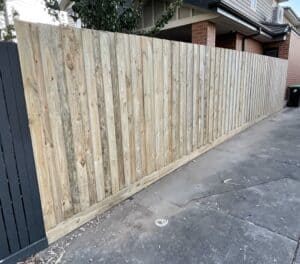
Imagine turning old wooden pallets or reclaimed lumber into a stunning fence! Recycled wood provides a rustic charm while lessening waste.
Pros:
- Unique appearance with character Environmentally friendly choice Supports local organizations when sourced locally
Cons:
- May need treatment for longevity Quality can differ depending on source material
Vinyl Fencing Made from Recycled Materials
Vinyl may seem traditional but when sourced from recycled plastics, it becomes an environmentally friendly alternative!
Pros:
- Long-lasting Low maintenance Recyclable at end-of-life
Cons:
- Manufacturing procedure includes energy consumption Can be costly in advance
Choosing the Right Eco-Friendly Material
When choosing your fencing material, consider elements such as climate conditions in Melbourne and individual looks. Consulting experienced Fence Professionals Melbourne can help you make informed choices customized to your needs.
Design Factors to consider for Eco-Friendly Fences
Harmonizing with Nature
Your fence ought to blend effortlessly into its surroundings rather than interrupt them. When preparing your design:
Consider natural colors and textures. Incorporate native plants around the base. Use curves rather of straight lines to imitate natural landscapes.
Size Matters: Height and Width
The height and width of your fence will not only identify its functionality but likewise its environmental impact.
How Tall Must Your Fence Be?
The perfect height depends on your specific needs-- personal privacy vs. aesthetic appeals-- but remember that taller fences may require more material!
Installation Techniques by Professional Fencing Contractors
Importance of Expert Installation
Hiring experienced Fencing Contractors makes sure that your environment-friendly fence is set up correctly and effectively-- saving you time and possible headaches down the line!
Steps in Installation:
Planning & & Style Consultation Material Sourcing (ideally local!) Site Preparation Actual Setup Post-installation ExaminationMaintenance Tips for Eco-Friendly Fences
Once you've purchased a sustainable fence service, appropriate upkeep is crucial to lengthening its life! Here are some convenient tips:
Regular Inspections
Check frequently for indications of wear-and-tear or pest problems-- particularly essential for wood alternatives!
Cleaning
Using moderate soap and water can keep surface areas tidy without resorting to damaging chemicals.
Refinishing
For wood fences specifically, periodic refinishing can improve resilience while preserving beauty!
Cost Analysis: Is It Worth It?
While eco-friendly choices may have greater preliminary expenses due to sourcing sustainable materials or hiring specialized specialists like a trusted Fence Professional Melbourne, they often yield long-term cost savings through lowered maintenance and extended lifespan.
|Product Type|Initial Expense|Lifespan|Maintenance Expense|| --------------------|--------------|-----------|------------------|| Bamboo|$$|15 years|Low|| Recycled Wood|$$|10+ years|Moderate|| Recycled Vinyl|$$$|20+ years|Extremely Low|
FAQs about Eco-Friendly Fencing Solutions
1. What kinds of environmentally friendly materials do leading fence contractors recommend?
Leading professionals normally advise bamboo, recycled wood, or vinyl made from recycled plastics as sustainable options.
2. Just how much does it cost to install an eco-friendly fence?
Costs vary based on product option and size however expect greater preliminary financial investments compared to standard options.
3. Exist any government incentives for choosing environment-friendly fencing?
Some areas use rewards or refunds for utilizing sustainable structure materials; check regional guidelines for specifics!
4. For how long will my eco-friendly fence last?
Durability differs by product; bamboo may last around 15 years while recycled vinyl could withstand approximately twenty years with proper care.
5. Do I need unique licenses for installing an eco-friendly fence?
Depending on local zoning laws, you may require licenses regardless of product; it's best practice to speak with before proceeding.

6. Can I set up an eco-friendly fence myself?
While DIY may save money in advance, enlisting expert assistance guarantees longevity and compliance with regional regulations.
Conclusion
In conclusion, "Eco-Friendly Fencing Solutions from Leading Fence Contractors" represent a mindful choice towards sustainability without compromising quality or design! By selecting environmentally responsible products like bamboo or recycled wood-- and teaming up with proficient fencing contractors-- you're not simply specifying borders; you're making a positive impact on our planet too!
So whether you're seeking to install a brand-new backyard retreat or redefine your home line with design, think about going green with your next fencing project! After all, every little action counts toward maintaining our lovely Earth for generations yet unborn-- what better tradition could there be?
Are you all set to transform your area? Connect today to leading fence contractors who focus on creating sensational eco-friendly services tailored just for you!